


Product
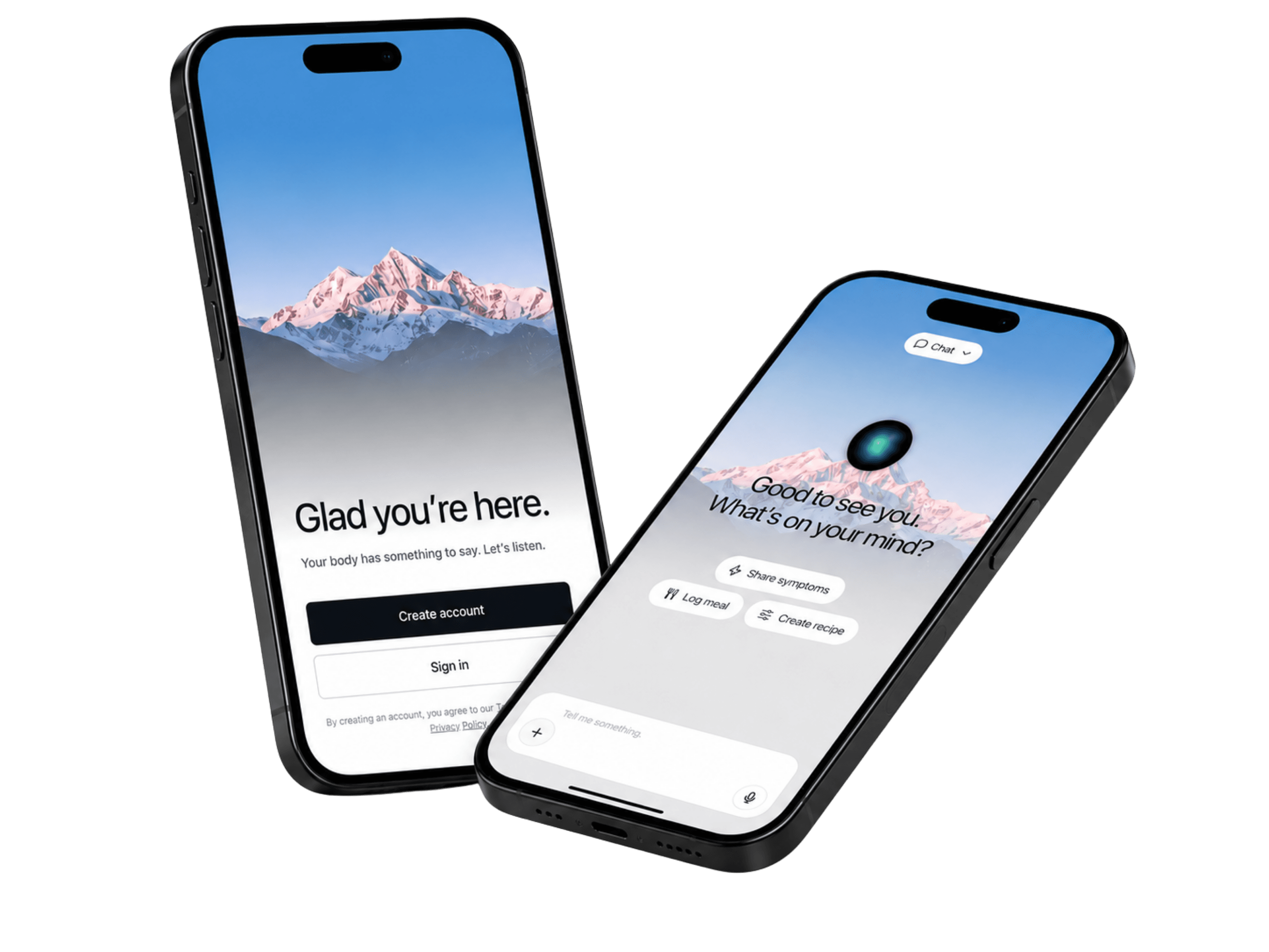
For individuals: The mymolecules app is for people who want to understand how food actually fits their own body, not just follow generic nutrition rules.
For companies: The mymolecules APIs are for partners who want to bring adaptive nutrition intelligence into their own products. They can power apps, wearables, food products, smart kitchen experiences and other personalized nutrition use cases.
Most nutrition apps track calories. mymolecules looks at food more deeply, on a molecular level, and connects it with how you feel and what your body signals show. The goal is to explain patterns, not just record what you ate.
Yes. At home, mymolecules can help you create recipes and meal plans based on your preferences, goals and personal data. In the supermarket, you can compare products and ask which option may fit you better. At a café, restaurant or cafeteria, you can take a photo of the menu or available dishes and ask what best matches your current situation. The goal is to support you exactly where everyday food decisions happen.
No. mymolecules is not built around strict diets, fixed plans or eating perfectly. It helps you understand what tends to work for you and turn that into better choices in real life.
The easiest way to start is simply to ask the assistant what it can do for you. It will guide you based on your goals, data and current situation. You can ask what to eat, what may support you before or after exercise, why a meal may have affected you, how to adapt a recipe, or which option fits you better right now. You can also log meals, symptoms, workouts and notes in normal language. When something is unclear, the assistant asks a follow-up question instead of forcing you through a form.
You can type a quick message, upload a meal photo or record a voice note. mymolecules turns that input into structured food and symptom context in the background. You can keep it short, like you would in a normal chat.
The most useful inputs are what and when you ate and how you felt afterwards. Preferences, goals, intolerances and avoided foods make the guidance more relevant. Connected wearable data can add extra context, but you do not need to enter everything perfectly.
It compares the molecules in your meals, your symptoms, routines and body signals over time. First useful hints can appear after one to two weeks of regular logging, but stronger patterns need more real-life examples. The assistant is designed to get more useful as your context grows.
Yes. If a meal, symptom or detail was misunderstood, you can correct it in chat. The system is built to handle corrections and update the structured record behind the scenes.
No. mymolecules is designed to support general wellness and nutrition. It does not provide medical advice and is not intended to diagnose, treat, cure or prevent any disease. Its insights and recommendations are for informational purposes only and are not a substitute for professional medical advice, diagnosis or treatment.
Wearables
mymolecules is designed to work with nearly all wearables that can share data through Apple Health or Health Connect on Android. This includes many modern smartwatches, smart rings and fitness wristbands. Instead of relying on only one device brand, the system uses the health data layer your device already connects to. Supported data can vary depending on the device, operating system and permissions you choose. In general, if your wearable can sync relevant health data into these ecosystems, mymolecules can use it.
No. You can use mymolecules without a smartwatch, ring or wristband. Wearables can improve the context because they add objective signals such as sleep, heart rate, activity or recovery. But your own input about meals, symptoms and how you feel is already valuable. A wearable simply helps the system understand more of what happens between meals and body reactions.
Yes. mymolecules can estimate glucose dynamics without a continuous glucose monitor by combining wearable signals with your personal context through a proprietary algorithm. It is designed to identify trends and possible metabolic responses over time, particularly after meals and across different daily situations. These estimates support everyday wellness and personalization. They are not a substitute for a CGM and are not intended for diagnosis, treatment, disease monitoring or therapy decisions.
Yes. You decide which data sources to connect and which types of data mymolecules may use. You can manage wearable permissions through the app and the connected platforms like Apple Health or Health Connect on Android at any time. You may use mymolecules with manual entries only or add wearable data for more personalized guidance. The goal is to keep you in control while clearly showing how each type of data improves your experience.
Privacy & Security
Your data is stored in cloud infrastructure within the European Union. Personal and health-related information is protected through measures such as encrypted data transfer, authentication and controlled access. Your data is used solely to provide you with personalized recommendations within the mymolecules application.
Your data is used only to make mymolecules work for you. This includes understanding your meals, symptoms, preferences, wearable signals and personal goals so the assistant can provide more relevant guidance. Your personal data is not used to train mymolecules algorithms.
APIs & Partners
The APIs are designed for partners who want to add adaptive nutrition intelligence to their own products. This can include health apps, wearable platforms, food companies, smart kitchen providers, digital health services or research institutions. Partners can use the platform to connect molecular food profiles, personal context and wearable signals into more personalized recommendations. Instead of building the full intelligence layer themselves, they can integrate selected capabilities from mymolecules. The goal is to make nutrition personalization available across different products and ecosystems.